As global temperatures continue to rise and climatic conditions shift dramatically, experts are increasingly focused on predicting future weather patterns. A recent Climate Analysis conducted by leading meteorological organizations has unveiled alarming forecasts for the year 2026. While such predictions are necessary for preparedness, they also highlight the urgent need for climate mitigation efforts.
Projected Temperature Increases
According to the latest data, 2026 is projected to experience unprecedented temperature increases across several regions of the globe. In particular, areas traditionally viewed as temperate are expected to encounter weather conditions typically associated with more tropical climates. This significant modification in temperature patterns could lead to extended heatwaves, with some regions seeing temperature rises of up to 5 degrees Celsius above historical averages.
Changes in Precipitation Patterns
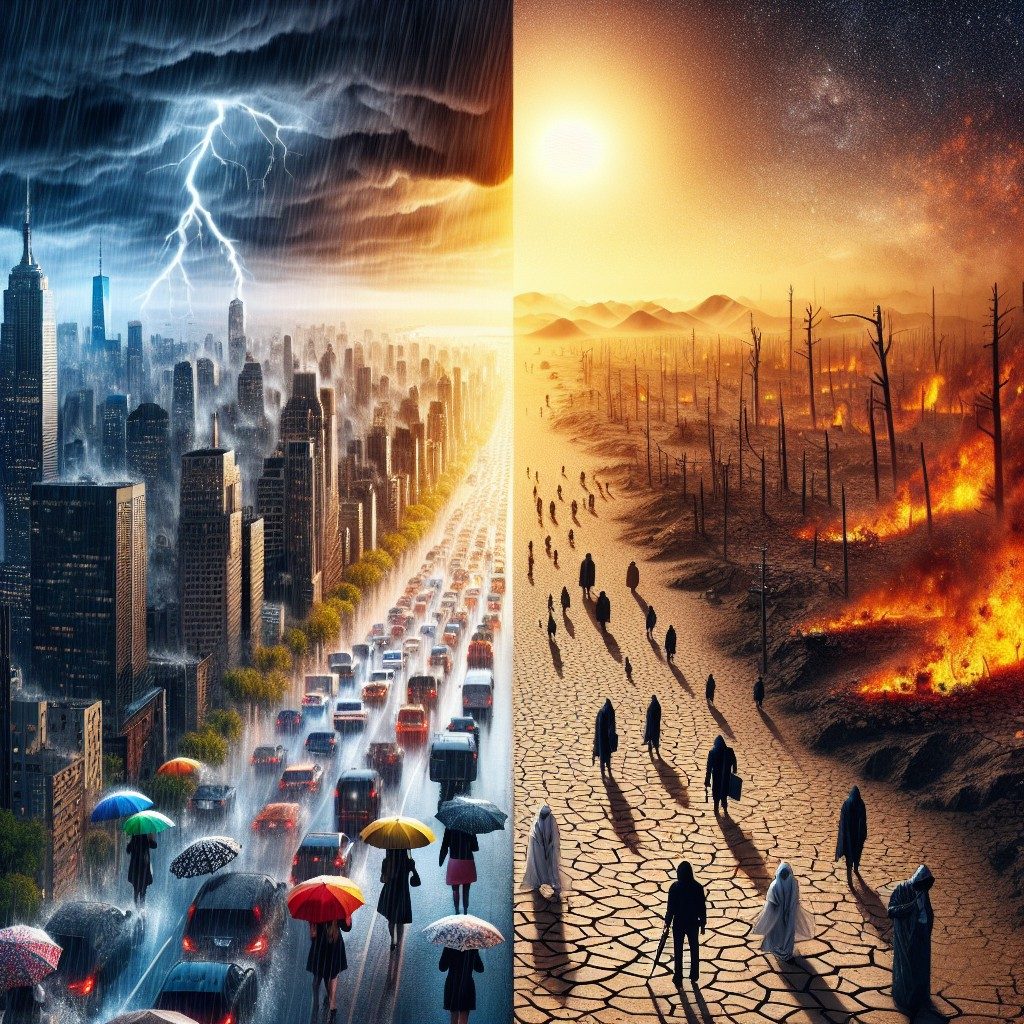
In addition to rising temperatures, the Climate Analysis suggests that precipitation patterns will also undergo dramatic changes. Regions prone to drought may experience prolonged dry spells, while those historically accustomed to consistent rainfall may face severe flooding. This contrast presents significant challenges for agriculture, water resources, and urban planning. With water shortages becoming a common issue in previously affected areas, the socio-economic implications are profound, requiring immediate attention from policymakers and community leaders.
Impact on Biodiversity and Ecosystems
The forecasted weather changes predicted by the Climate Analysis extend beyond human concerns, directly impacting global biodiversity. Species that depend on stable temperatures and seasonal weather patterns may struggle to adapt to these rapid changes. For example, marine ecosystems are particularly vulnerable to rising ocean temperatures, which can lead to coral bleaching and the loss of marine biodiversity. On land, altered habitats could result in the displacement of various species, risking extinction for others as they fail to find suitable environments.
Conclusion: A Call to Action
Overall, the findings from the latest Climate Analysis serve as a stark reminder of the rapidly approaching climate challenges. With only a few years until 2026, it is critical for governments, businesses, and individuals to prioritize sustainable practices and invest in climate resilience. Failure to act could exacerbate existing problems related to climate change, resulting in irreversible damage to both human systems and the natural world.
Frequently Asked Questions about Climate Analysis
What is a Climate Analysis?
A Climate Analysis is a scientific assessment that evaluates weather patterns and climate-related data to predict future climatic trends and impacts.
Why is the 2026 Climate Analysis important?
The 2026 Climate Analysis is crucial as it helps anticipate extreme weather events, enabling societies to prepare and adapt accordingly.
How do experts conduct a Climate Analysis?
Experts conduct a Climate Analysis by compiling and assessing historical data, climate models, and advanced computer simulations to make informed projections.
What role do governments play in addressing the findings of a Climate Analysis?
Governments play a critical role in addressing a Climate Analysis by implementing policies, regulations, and initiatives aimed at reducing greenhouse gas emissions and promoting sustainability.
Can individuals contribute to Climate Analysis efforts?
Yes, individuals can contribute to Climate Analysis efforts by adopting sustainable practices in their everyday lives, advocating for climate policies, and raising awareness on climate issues.